
Play That Builds Confidence and Curiosity at Home
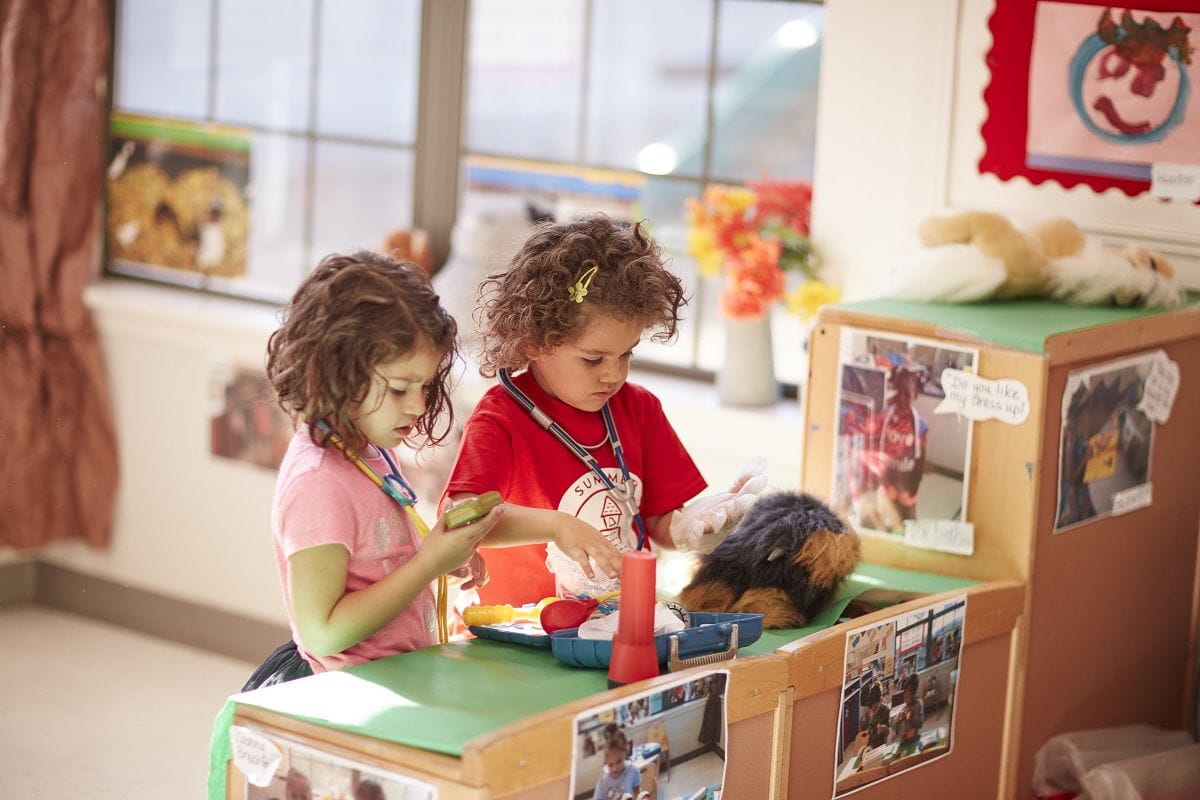
If you want to help your child grow more confident and curious, everyday play is one of the easiest ways to support their development. Simple activities at home create space for your child to try new things, solve minor problems, and take pride in their accomplishments. With a few quick ideas, you can turn regular moments into meaningful learning.
Let’s look at simple ways to build confidence and curiosity through everyday play.
How Play Helps Build Confidence
Confidence-building play provides your child with opportunities to make choices, test ideas, and see what happens next. Any activity that lets them try something on their own helps them feel capable and more willing to take on new challenges. When children see that effort leads to success, even in small steps, confidence grows.
KinderCare Takeaway: Small choices help children feel strong and capable.
Why Play Encourages Curiosity
Curiosity grows when children explore freely and follow their interests. Play supports this because there is no single right way to do it. When you offer open-ended materials or simple household items, your child naturally starts to ask questions, try new ideas, and examine things more closely to understand how they work.
KinderCare Takeaway: Open-ended play invites your child to explore and wonder.
How to Encourage Confidence Through Play
You can make confidence-building play part of your day with a few simple habits:
- Offer two or three choices so your child can decide where to start
- Point out effort by saying things like “You kept trying until it worked”
- Give time for independent play before stepping in
- Encourage your child to solve small problems on their own
KinderCare Takeaway: Independence during play builds steady confidence.
How to Encourage Curiosity Through Play
Curiosity strengthens when children feel free to explore without pressure. Try:
- Adding new materials such as cardboard, containers, or art supplies
- Asking simple questions like “What do you think will happen”
- Letting your child lead the activity
- Offering tools like scoops, tongs, or tape to inspire discovery
KinderCare Takeaway: Simple materials can spark big ideas.
Easy Activities to Try Today
If you want quick ways to build confidence and curiosity at home, start with:
- A “discovery basket” filled with safe objects like lids, fabric scraps, or balls
- A build-and-create station with blocks, boxes, and tape
- A kitchen tools bin with whisks, scoops, or cups
- An art tray with crayons, stickers, and paper
These simple setups provide children with numerous opportunities to explore and learn at their own pace.
KinderCare Takeaway: A few everyday items can offer hours of meaningful play.
Common Challenges and How to Support Your Child
It is normal for children to move quickly between activities or feel frustrated when something does not work. Try keeping play sessions short, following your child’s focus, and naming their effort instead of focusing on results. Calm reassurance helps them try again with confidence.
KinderCare Takeaway: Short, flexible play sessions help children stay engaged.
How KinderCare Supports Learning Through Play
Play helps children grow confident, curious, and ready to learn. At KinderCare, teachers use hands-on activities every day to help children explore new ideas in a warm and supportive environment. If you want to see how learning through play comes to life in our classrooms, explore KinderCare programs to learn more.
FAQ
What if my child only wants to play the same way?
This is common. Add one new material or idea and let them explore at their own pace.
How long should play last?
Ten to twenty minutes works well for most children. Follow your child’s interest.
How do I help if my child gets frustrated?
Offer calm words, stay close, and remind them that trying again is part of learning.