



Child development assessments at KinderCare
KinderCare uses developmental assessments to help track your child’s growth and support kindergarten readiness.* Through trusted assessment tools, research-based curriculum, and ongoing teacher observations, our programs help children build the skills needed for future success in school and beyond.
Child development assessments help keep your child’s learning on track
Developmental assessments are an important tool that help teachers and families understand how your child is growing and learning across multiple skill areas.
We use assessments as learning check-ins—not tests kids need to pass. They help us:
- Track developmental progress over time.
- Celebrate milestones as your child builds new skills.
- Understand your child’s strengths and learning needs.
- Support kindergarten readiness through everyday classroom experiences.
- Partner with families around growth, goals, and next steps.

“These results illustrate the tangible benefits families see when they join us. High-quality early education like ours gives children the opportunity to learn and grow with support and guidance. As we look ahead to a new school year, we’re giving families the confidence that their children are well-prepared for school and later life.”
—Tom Wyatt, Chairman & Chief Executive Officer
The skills we track and support
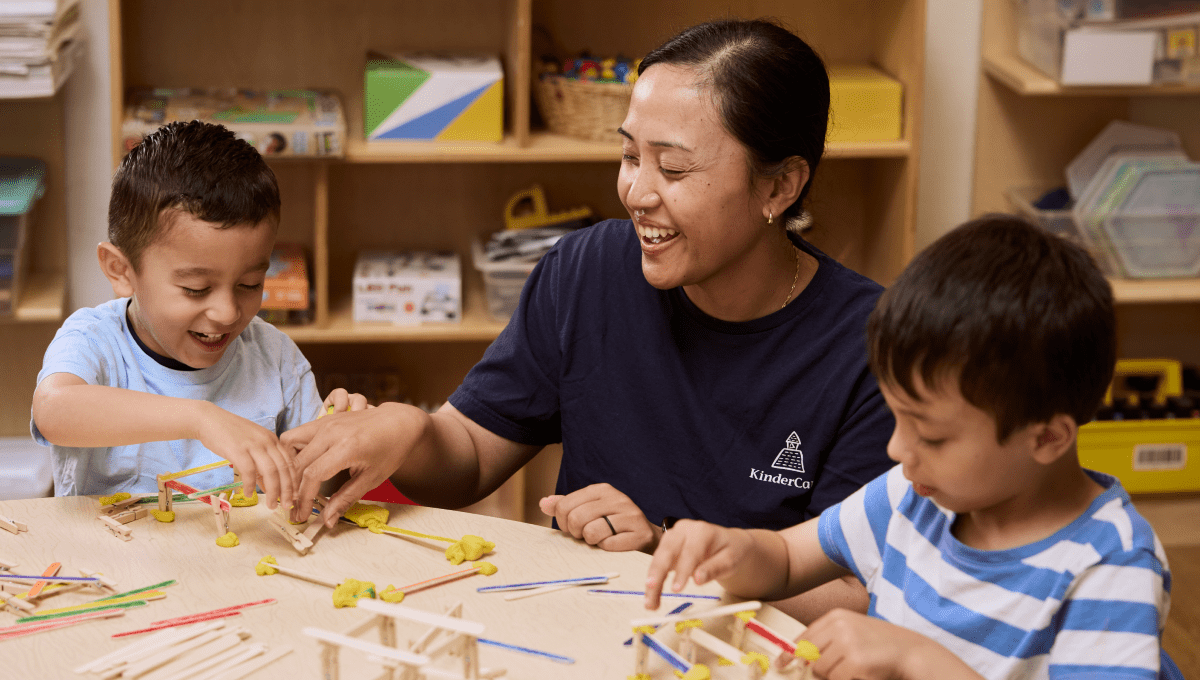
KinderCare assessments evaluate each child’s social, physical, cognitive, and language development throughout childhood.
We track growth across:
- Social and emotional development: Expressing emotions, making friends, sharing, taking turns, and connecting with others.
- Language and literacy development: Communicating through sounds and first words, building vocabulary, recognizing letters, storytelling, and early writing.
- Physical development: Building gross and fine motor skills, from rolling over and taking first steps to drawing and completing everyday tasks.
- Cognitive development: Exploring cause and effect, recognizing shapes and patterns, building memory, and understanding how the world works.
- Problem-solving skills: Asking questions, trying different approaches, and using what they know in new ways
- Independence and confidence: Participating in routines, making choices, trying new things, and completing age-appropriate activities.
How we measure your child’s progress
KinderCare combines nationally recognized assessment tools with classroom observations to understand each child’s development.
Developmental screening: BRIGANCE®
BRIGANCE is a well-respected education screening tool used in fall and spring with children under age 6. Teachers observe infants and toddlers during everyday activities, while older children complete brief, age-appropriate tasks. Results help teachers and families recognize your child’s strengths, understand developmental progress, and identify areas that may need additional support.
Ongoing assessment: Developmental profiles and portfolios
From the Infant classroom through Transitional Kindergarten, teachers collect photos, work samples, and observation notes throughout the year. They use this evidence to evaluate progress within our curriculum, plan appropriate next steps, and share your child’s growth with you.
All early learning centers use Developmental Profiles and Portfolios, although select locations use alternate assessment tools.
Kindergarten assessment: TerraNova®
TerraNova is a standardized reading and math assessment administered in March in select private Kindergarten classrooms. Results help your family understand your child’s understanding of kindergarten-level content and may be shared with your future elementary school.
KinderCare assessments support kindergarten readiness
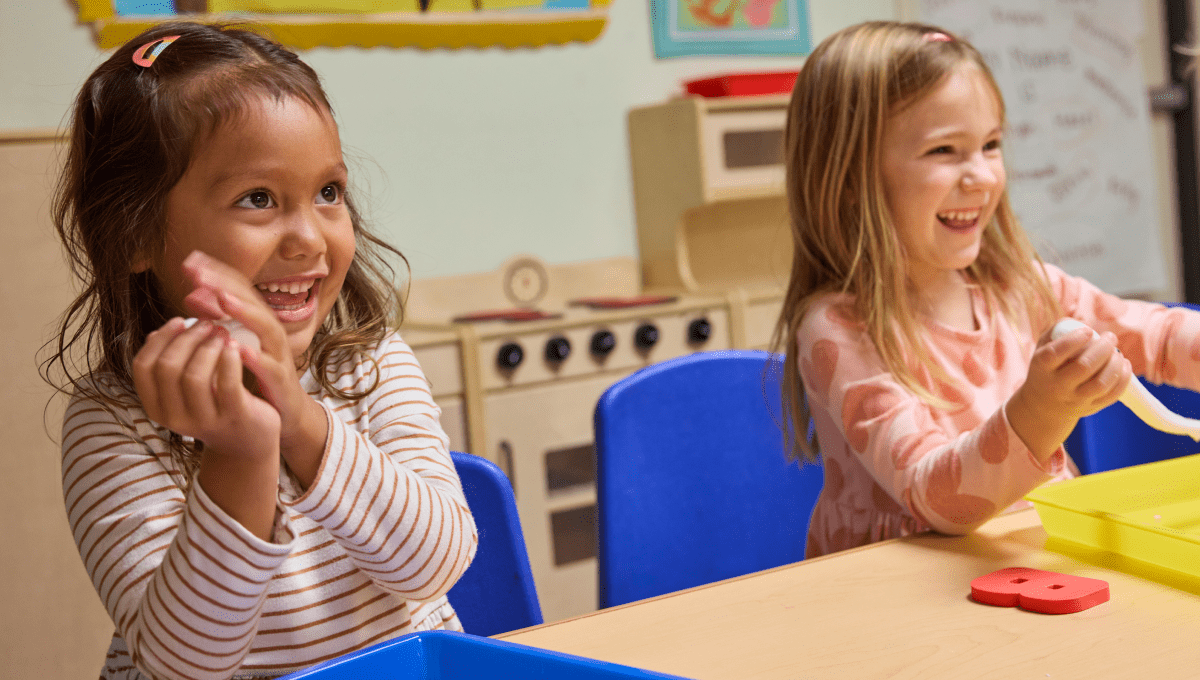
Kindergarten readiness includes academic, social, emotional, and behavioral skills that help your child transition successfully to elementary school. Assessments help our teachers understand how preschoolers are building readiness skills like:
- Early literacy: Building vocabulary, listening, storytelling, recognizing letters, and developing early reading skills.
- Early math: Counting, sorting, recognizing patterns, and solving problems.
- Classroom confidence: Participating in activities, following routines, and trying new things.
- Social skills: Cooperating, showing empathy, building friendships, and working with others.
- Independence skills: Practicing self-help, staying focused, and following through on age-appropriate tasks.
Teachers use these insights to support the whole child and help make the transition to kindergarten smoother.
What KinderCare assessment results show
Year after year, assessment results show that KinderCare kids are more prepared for kindergarten.
- A 2026 study found that children enrolled in KinderCare programs for a full school year showed meaningful growth from fall to spring.**
- On average, children began the 2025–2026 school year scoring 0.26 months ahead of age expectations. By spring, they were scoring 1.26 months ahead of peers.***
Results also showed that longer enrollment meant stronger school readiness among rising kindergartners. In spring 2026:
- 67% of children enrolled within the previous six months met key school-readiness indicators.
- 83% of children enrolled for a year or longer met those indicators.†
 “Assessment is about understanding how children grow so we can better support each child's learning journey. Our results consistently show that when children have access to high-quality early learning experiences over time, they build the skills, confidence, and curiosity they need to thrive in kindergarten and beyond.”
– Dr. Lisa Grant, Vice President, Education Programs
Frequently Asked Questions about child assessments and school readiness
What are child development assessments?
Child development assessments are check-ins that help teachers understand how kids are growing across social-emotional, cognitive, language, physical, and learning skill areas.
How do assessments help kids learn?
Assessments help teachers identify strengths, track progress, celebrate milestones, and guide classroom experiences that support continued growth.
How does KinderCare measure kindergarten readiness?
KinderCare uses teacher observations and trusted assessment tools to look at skills related to literacy, math, communication, social development, independence, and classroom readiness.
How often are children assessed?
Most assessments take place in the fall and spring. Some assessment activities, like building children’s portfolios, take place year-round.
Will families receive their child’s assessment results?
Yes! Families receive children’s assessment results during family conferences. Families may also request their child’s assessment results at any time.
What assessment tools does KinderCare use?
KinderCare uses BRIGANCE, TerraNova, Ages & Stages Questionnaires®, and ongoing teacher observations to help monitor developmental progress.
Do assessment results affect classroom experiences?
Yes. Assessment insights help teachers adjust activities, provide individualized support, and create learning experiences that match each child’s strengths, needs, and next steps.
Are assessments the same as tests?
No. At KinderCare, assessments are learning check-ins, not tests kids need to pass. They help teachers understand progress and support growth over time.