Screen-Free Coding Concepts Preschoolers Can Learn Through Play
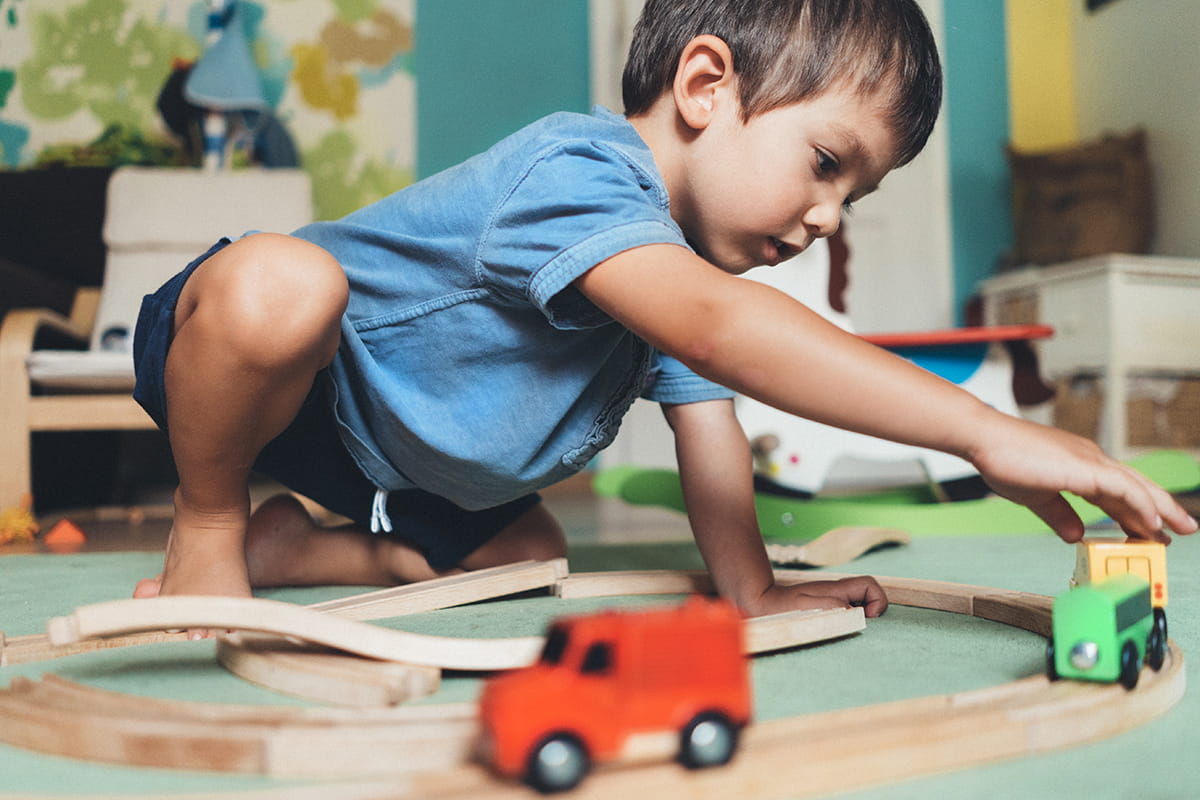
Screen-free coding activities support early childhood development by helping preschoolers learn problem-solving, sequencing, and logical thinking through play. The best part? You don’t need screens or devices for your child to build these skills. Simple games, movement, and everyday routines can introduce core coding concepts in a way that feels natural and fun. Keep reading for playful, hands-on activity ideas you can try at home.
What coding means for preschoolers
For preschoolers, coding is not about computers or writing code. It is about learning how to think through a problem, follow steps, and understand cause and effect.
Children practice early coding skills when they:
- Build structures and test what works
- Follow routines with multiple steps
- Solve problems during play
- Adjust their actions based on results
KinderCare Takeaway: Coding skills begin with everyday thinking and problem-solving, not screens.
How sequencing builds planning and self-control
Sequencing means understanding that steps happen in a specific order. This coding concept supports important preschool developmental skills like focus, memory, and independence.
Preschoolers practice sequencing when they:
- Act out daily routines (like getting ready for bed or washing hands)
- Retell familiar stories in the right order
- Follow simple directions during games and group activities
Over time, these experiences help children manage transitions more smoothly and feel more confidence about what comes next.
KinderCare Takeaway: Learning to follow steps strengthens planning and self-regulation.
How patterns support early math and logical thinking
When children notice patterns, they’re learning to make sense of the world and building important early math and reasoning skills along the way.
Pattern play includes:
- Sorting objects by color, shape, or size
- Repeating claps, movements, or sounds
- Noticing what comes next in a sequence
These activities encourage prediction and flexible thinking—two big building blocks for problem-solving.
KinderCare Takeaway: Pattern recognition builds early math skills through play.
How cause and effect strengthen problem-solving
Cause and effect help children understand how their choices lead to outcomes. It’s a foundational skill for coding and everyday learning.
Children explore cause and effect when they:
- Test ideas during play
- Change strategies when something does not work
- Observe how actions create results
Over time, this process builds persistence and boosts confidence.
KinderCare Takeaway: Cause-and-effect learning helps children adapt, problem-solve, and try again when challenges pop up.
How debugging builds resilience and confidence
Debugging involves identifying a problem and working to fix it. For preschoolers, this often looks like trying a new approach after a failed attempt.
Debugging moments happen when children:
- Rebuild a fallen structure
- Adjust rules during a game
- Ask for help and try again
These experiences show kids that mistakes are a natural part of learning.
KinderCare Takeaway: Problem-solving builds resilience when children feel safe to try again.
How KinderCare supports early coding through play
In our classrooms, children begin building early coding skills through guided play, predictable routines, and hands-on learning experiences. Teachers encourage children to explore, ask questions, and think through challenges together.
KinderCare Takeaway: Consistent, play-based learning helps children build thinking skills with confidence.
Common questions about screen-free coding
How early can children learn coding concepts?
Preschoolers begin learning these skills naturally through play and daily routines, like noticing patterns, following steps, and trying again when something doesn’t work.
Do children need special toys?
Simple materials and everyday activities are enough to support early coding skills. Blocks, puzzles, songs, and pretend play can all help children practice logic and problem-solving.
How often should children practice these skills?
Daily play and routines provide ongoing learning opportunities.
Helping your child build strong thinking skills through play
Screen-free coding helps preschoolers develop essential skills in a way that feels fun, joyful and achievable. Through play, children learn how to think critically, solve problems, and keep going when something feels hard.
To see how our research-based curriculum supports learning through play, explore our early childhood programs or schedule a tour at a center near you.
Screen-Free Coding Skills Parents Can Support at Home
What does coding mean for preschoolers?
Coding for preschoolers means learning how to think through problems, follow steps, and understand cause and effect. These skills develop naturally through play, routines, and hands-on exploration.
How does sequencing support early development?
Sequencing helps children understand that steps happen in a specific order. Acting out routines or retelling stories in order strengthens focus, memory, and self-regulation.
Why are patterns important for logical thinking?
Pattern play, like sorting objects or repeating movements, helps children predict what comes next. This builds early math skills and flexible thinking.
How does cause and effect help children problem-solve?
When children test ideas and adjust their actions, they learn how choices create outcomes. This process builds persistence and confidence.
Do preschoolers need screens or special tools to learn coding concepts?
No special devices are required. Everyday materials like blocks, puzzles, songs, and pretend play provide meaningful opportunities to practice early coding skills.