Potty Training With Less Stress
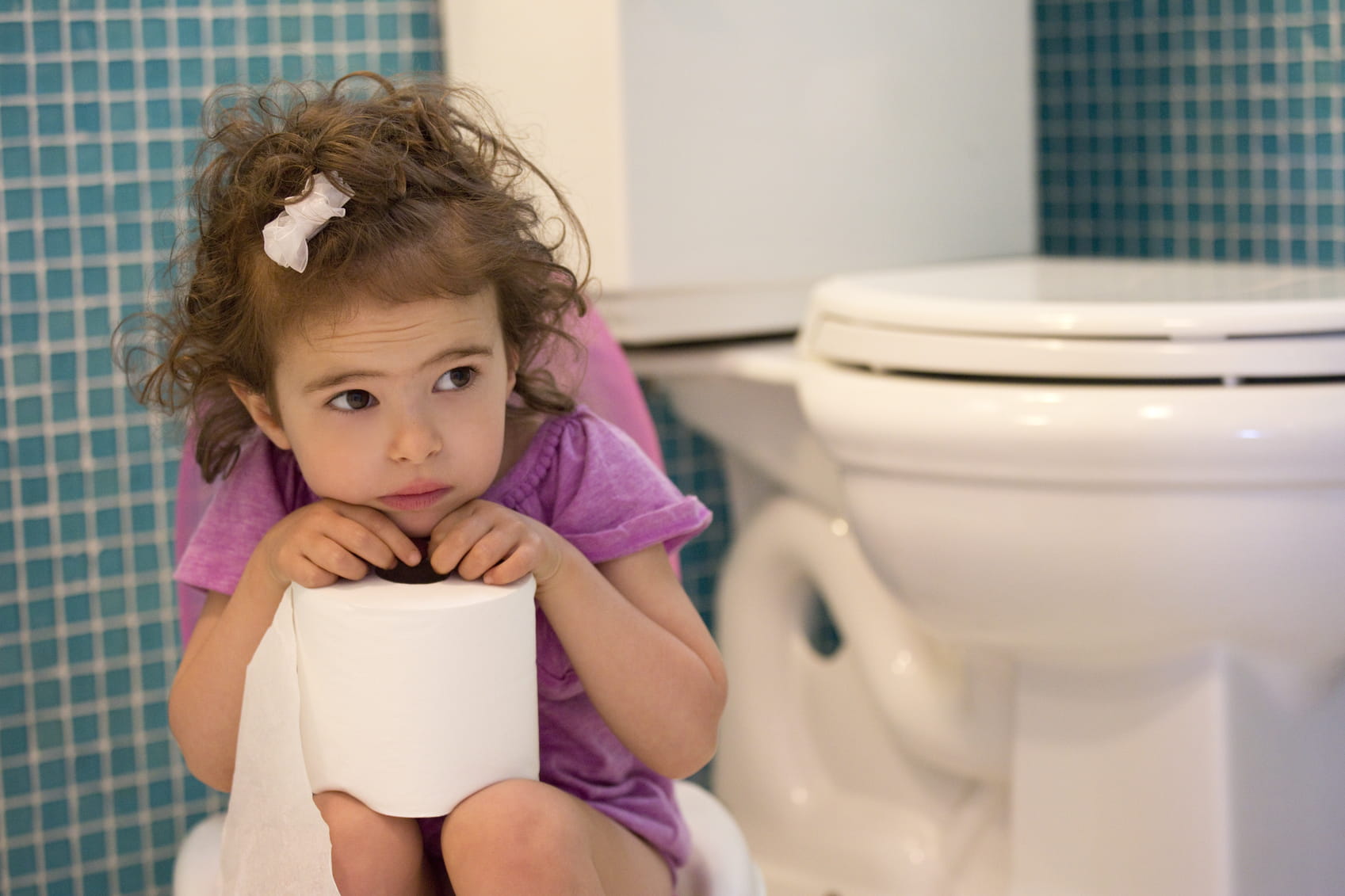
Potty training is an important child development milestone. It can feel stressful at times, but it does not have to be overwhelming. With simple routines, calm expectations, and small daily steps, most children learn successfully.
When you focus on readiness and consistency instead of rushing results, potty training becomes a manageable learning process rather than a daily power struggle.
What Is Potty Training Readiness?
Potty training works best when children feel physically and emotionally ready. Readiness matters more than age.
Children who are ready often show interest in the bathroom, stay dry for longer periods, or tell you when they need to go.
- Staying dry for two hours or more
- Showing interest in underwear or the toilet
- Communicating when they need to go
- Following simple directions
KinderCare Takeaway: Starting when your child shows signs of readiness reduces stress for everyone.
Why Consistency Matters During Potty Training
Consistent routines help children understand what to expect. Predictable potty times lower anxiety and build confidence.
When children practice at the same times each day, they begin to recognize their body’s signals more easily.
KinderCare Takeaway: Simple, repeated routines help children learn faster and feel more secure.
How to Start Potty Training at Home
Potty training does not require a complicated plan. Choose a calm time without major schedule changes.
- Introduce the potty chair before expecting your child to use it
- Let your child sit on it fully dressed at first
- Use simple, positive language to explain what happens
Keep early attempts short and relaxed. If nothing happens, try again later.
KinderCare Takeaway: Familiarity builds comfort and confidence.
What Daily Potty Routines Can Look Like
Many families build potty practice into natural transition times.
- After waking up
- Before and after meals
- Before naps and bedtime
- Before leaving the house
Short, calm attempts work better than long, pressured sessions.
KinderCare Takeaway: Predictable moments make potty practice feel normal and manageable.
How to Encourage Without Pressure
Positive encouragement supports learning better than rewards or punishment.
Praise effort instead of outcomes. A simple “You tried!” helps children feel proud of their progress.
Stay calm during accidents. They are a normal part of learning.
- Use easy-to-remove clothing
- Respond calmly to accidents
- Help your child wash hands and flush
KinderCare Takeaway: Encouragement builds motivation and independence.
How to Handle Accidents Without Stress
Accidents happen. What matters most is how you respond.
Stay neutral, help clean up without shame, and gently remind your child where pee and poop belong.
Avoid long explanations. Keep it simple and move forward.
KinderCare Takeaway: Calm responses help children feel safe while learning new skills.
When Potty Training Feels Stuck
Progress can pause during growth spurts, schedule changes, or stressful moments.
If potty training feels stalled, it is okay to take a short break and try again later.
- Pause for a few days if needed
- Reduce pressure or reminders
- Talk with your child’s teacher or pediatrician for guidance
KinderCare Takeaway: Taking a break can help children reset and regain confidence.
How KinderCare Supports Potty Training Success
At KinderCare, teachers partner with families to keep routines consistent at home and in the classroom.
Through predictable schedules, gentle reminders, and supportive guidance, children get regular practice in a safe and encouraging environment.
Explore our toddler programs to see how KinderCare supports developmental milestones every day.
Helping Parents Reduce Potty Training Stress
Why does readiness matter more than age in potty training?
Readiness matters because children succeed more easily when they feel prepared and supported, not rushed. Signs like staying dry for two hours or showing interest in the bathroom signal that learning can happen with less stress.
How can parents start potty training without pressure?
Starting during a calm period and introducing the potty before expecting use helps reduce fear. Letting children sit fully dressed at first builds familiarity and confidence.
What daily routines help potty training feel easier?
Predictable times like after waking up, before meals, and before bed help children know when to try. Keeping potty time short and relaxed lowers anxiety.
What is the best way to handle potty training accidents?
Staying calm and neutral helps children feel safe while learning. Gently reminding them where pee and poop go and moving on without shame supports progress.
When should parents take a break from potty training?
A short break can help if progress stalls due to stress or routine changes. Restarting later with simple routines and encouragement often restores confidence.