Introducing Your Dog to a New Baby: 10 Tips for a Safe First Meeting
Reviewed by KinderCare's Health & Safety Team
Updated September 2026
Bringing home baby for the first time is a special moment. But for families with dogs, there can also be anxiety around how this new dynamic between dog and baby will work.
There are things you can do to help promote harmonious relations between your faithful canine and the new love of your life. With patience and planning, most dogs with loving adults will become great family dogs, too.
How do you introduce a dog to a new baby?
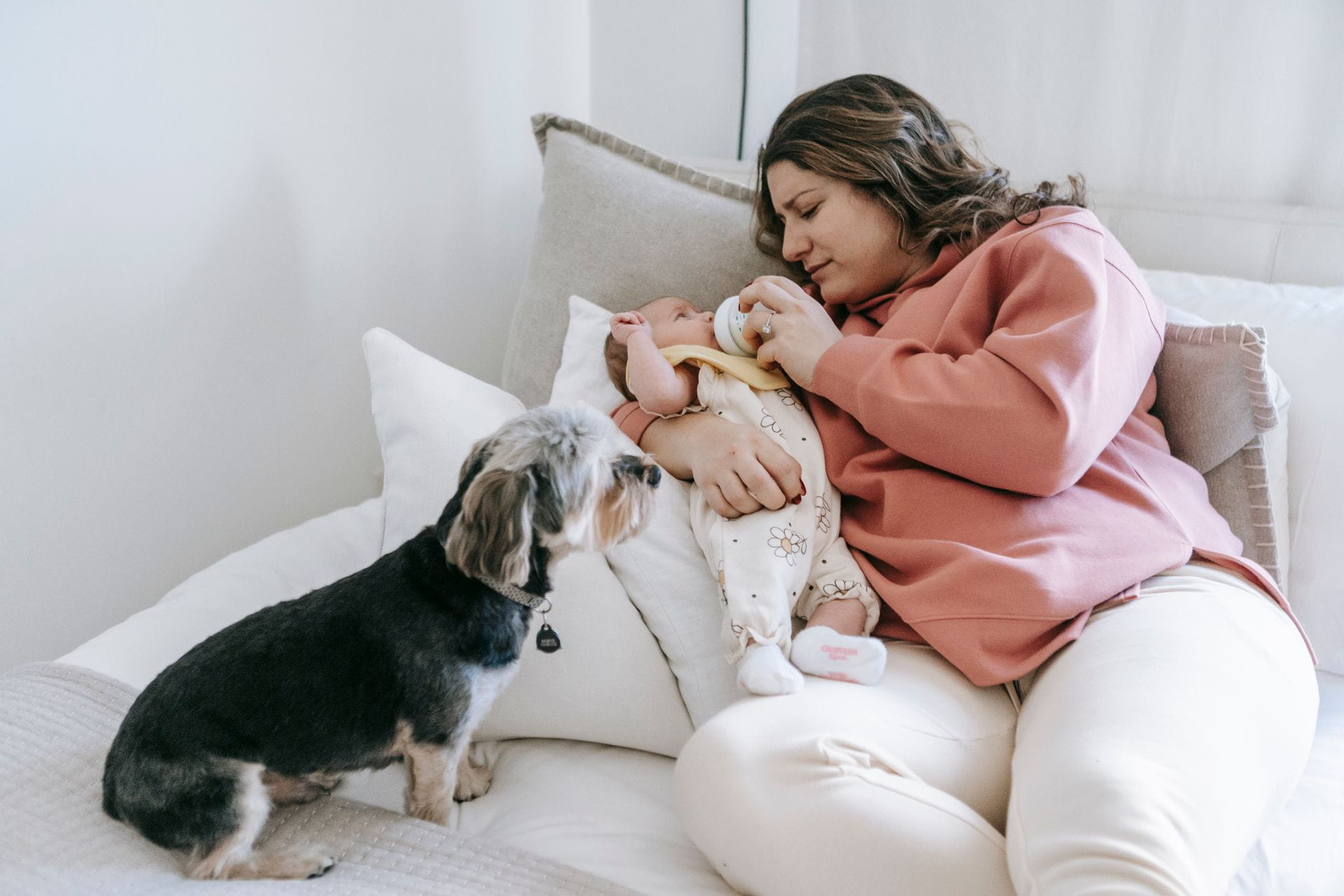
Introducing a dog to a baby goes best as a slow trickle of pleasant experiences rather than one big event. Let your dog smell scents that will be associated with the baby starting weeks before your due date, keep their first meeting calm and short, and supervise every moment the two spend interacting from then on.
Most dogs settle into the new normal within a few weeks. Go early, go slowly, and watch your dog's reactions to determine the pace.
Everyone Belongs In Our Circle
At KinderCare, we’re committed to building warm, welcoming and supportive classrooms for children of all abilities, backgrounds and experiences.
Find a center near youHere are a few thoughtful tips for managing the growing family pack.
How to prepare your dog for a baby
Everything here happens before your baby arrives. The earlier you start this training, the more settled your dog will be, so work these habits into your daily routine now rather than in the final weeks before delivery.
1. Head to the vet before the baby comes
Take your dog to the vet for a health exam and any necessary vaccines. A quick checkup now means one less thing on your plate once the baby is home. Be sure to get your pet's nails trimmed as well.
2. Address behavior issues early on
Your Chihuahua may only reach your shins, but his jumping and barking could become a real problem for a baby. Address these issues with a canine behavior specialist or in an obedience class before your due date.
3. Make necessary arrangements
Your dog needs somewhere to go while you're in labor. Make on-call arrangements in advance with a trusted friend, family member, or neighbor. Luckily, most people are happy to provide this kind of support even if the big day comes in the middle of the night.
4. Make an exercise plan
Post-baby, a walk around the block is sometimes the best a family can manage, but many dogs need a lot more than a quick lap. Have dog walkers and doggy daycare recommendations at the ready, so you won't be scrambling to make arrangements. (Plus, a dog that gets exercise is less likely to develop behavior issues.)
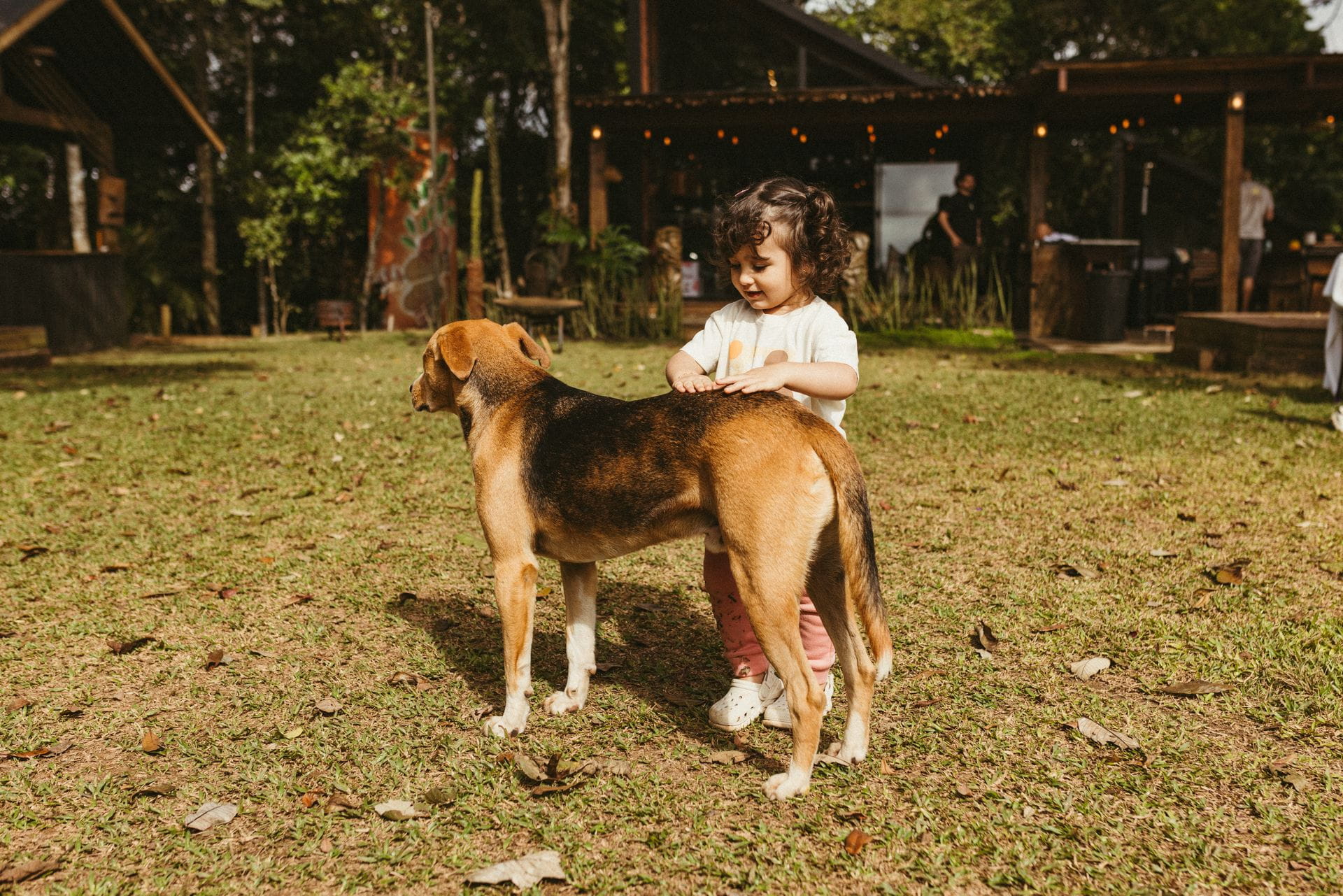
5. Introduce the dog to other tiny people
Have friends with infants or toddlers? Invite them over for supervised play dates with your pet so your furry friend can get acquainted to babies' and their noises and movements—and occasional ear tugs.
6. Get their noses working now
Dogs' noses are 10,000 to 100,000 times more sensitive to smell than ours. Start using the shampoos, wipes, and lotions you plan to use with the new baby a few weeks before your due date to acclimate pets to your infant's aromas.
7. Let your dog meet the baby by scent first
While you're in the hospital, send a family member home with one of your baby's blankets from the hospital. Let the dog sniff the blanket so he can "meet" the new family member with his nose first.
8. Consider baby gates
You might not need baby gates until your baby starts crawling, but they are also good for dogs, allowing you to separate your dog from the baby without having to close the door on him (which can make sensitive pooches feel left out).
9. Remain calm and confident when introducing your pet to a newborn
This is important. Pets easily pick up on feelings, so if you are anxious when the two meet, your dog may be, too. Never force a pet to get close to the baby. It may take the dog a while to get used to the idea of a new love in your life!
A Lifetime Of Confidence Starts Here
Our teachers help every child build the confidence they need to try new things and explore the world around them.
Search for a center near you10. Your child’s safety comes first!
Don't ever leave your baby and pet alone together, even for an instant. If you leave the room, so does the baby.
If you are ever unsure about how your dog and baby are adjusting to life together, a certified dog trainer or veterinary behaviorist can observe their interactions and help you create a plan that supports both of them. If you have any questions or concerns about having dogs in the home, please consult your veterinarian and your pediatrician for guidance specific to your family's situation. Seeking professional guidance early is one of the kindest and most proactive things you can do for both your child and your dog.
If managing your dog and baby together sounds like a lot of work, remember that dogs and pets can foster a sense of well-being and calm in your home. Spending time with pets has been shown to reduce stress and foster relaxation—which may be just what you need after a baby is born.
Introducing your dog and baby: Common questions
How long does it take a dog to adjust to a new baby?
Most dogs adjust within a few weeks, though some need a couple of months. Keeping walks, meals, and attention on a predictable schedule helps more than anything else, because it shows your dog their routine is still intact. Watch their reactions across the first two weeks to determine how quickly to build in more time together.
Can my dog and baby be in the same room?
Yes, with an awake adult present. Sharing the same room is good for both of them and helps your dog get comfortable with the newest member of the family. However, leaving them alone together is never fine, even for a moment. A baby gate is a great way to let your dog stay nearby and feel included.
What signs mean my dog is uncomfortable around the baby?
Look for a stiff body, a tucked tail, lip licking, yawning, turning away, or the whites of the eyes showing. These are early, quiet signals worth respecting, and giving your dog space is the right response. The American Veterinary Medical Association (AVMA) shares more on canine body language and preventing a bite.
Should I introduce my dog to the baby right away or wait?
Wait a little. Let your dog greet you first without the baby in your arms and let them settle in after the excitement of your return dies down. Once the hellos are done, bring your baby into the room calmly and be sure to supervise closely. Keeping the first meeting short and low-key sets the tone for every meeting after it.